Smart Snacking: What Stays Fresh in a Desk Drawer or Backpack
Keeping a stash of snacks in your desk drawer or backpack is a simple way to handle between-meal hunger without relying on vending machines or convenience store trips. The key is choosing items that survive hours or days in a bag without turning into crumbs, melting, or losing their appeal. Not all snacks are built for this: some go stale quickly, others create a mess, and a few just don’t travel well. This article looks at what makes a snack hold up on the go and points to one option that fits the bill nicely.
What Makes a Snack Travel-Friendly?
Before you fill your desk drawer or backpack with anything, consider a few simple qualities. A good on-the-go snack should resist crushing, stay stable at room temperature, and come in packaging that won’t leak or split open in a bag. It also helps if the snack doesn’t leave sticky residue on your hands or inside your bag. Portion control is another factor: single-serve packs prevent you from eating more than you planned and keep the rest fresh for later.
Shelf stability matters, too. Foods that need refrigeration or have a short shelf life are risky for a desk drawer, especially if you only visit the office a couple of times a week. Dry snacks with low moisture content tend to last longer and maintain their texture. Think about how you will eat them: if you need a plate or utensil, the snack becomes less practical for eating at your desk or during a commute.
Snacks That Survive the Desk Drawer
Your desk drawer is a controlled environment, usually cool and dry, away from direct sunlight. That makes it a decent home for many packaged snacks, but there are still winners and losers.
Nuts and seeds are a classic choice. Almonds, walnuts, and pumpkin seeds stay fresh for weeks in a sealed bag or small container. They provide protein and healthy fats that keep you full between meals. Just watch out for salt content if you are monitoring sodium, and be mindful that some nuts can go rancid if stored too long in a warm drawer. A resealable bag or a small jar works well.
Dried fruit, such as apricots, mango slices, or raisins, also does well. The low moisture content means they won’t spoil quickly, and they satisfy a sweet craving without added sugar. Look for options without added oils or syrups, which can make them sticky and messy.
Rice cakes and plain crackers are sturdy enough to survive a backpack, but they can be bland on their own. Pair them with individual packets of peanut butter or cheese spread for a more satisfying snack. Just keep the spreads in a separate compartment to avoid leaks.
Granola bars are a staple for a reason. They are compact, come in wrappers that keep them fresh, and offer a mix of carbs and protein. The trick is finding one that doesn’t melt or become a sticky mess in warm weather. Bars with chocolate coating or a soft filling can be tricky in summer; look for bars that are described as “chew” or “crunchy” rather than “soft-baked” if you live in a hot climate.
Backpack-Ready Options for Road Trips and Commutes
Backpacks get more abuse than desk drawers. Snacks get jostled, pressed by other items, and exposed to temperature changes. A road trip or a long commute calls for extra durability.
Individual packets of nut butter and crackers hold up well. The packaging is usually sturdy, and the crackers are dense enough to resist breaking. Single-serve pouches of hummus or guacamole with whole-grain chips also work, but check the expiration date and keep them upright in your bag.
Beef jerky or turkey sticks are another good choice. They are dry, protein-rich, and don’t need refrigeration. The main downside is that they can be tough to chew, so they are best for times when you can take your time eating.
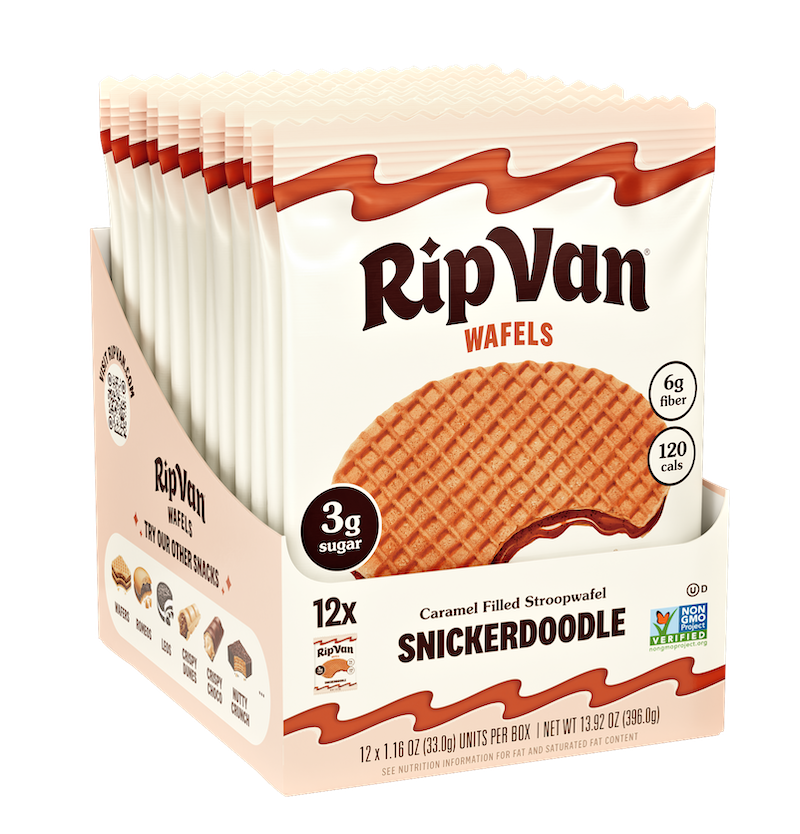
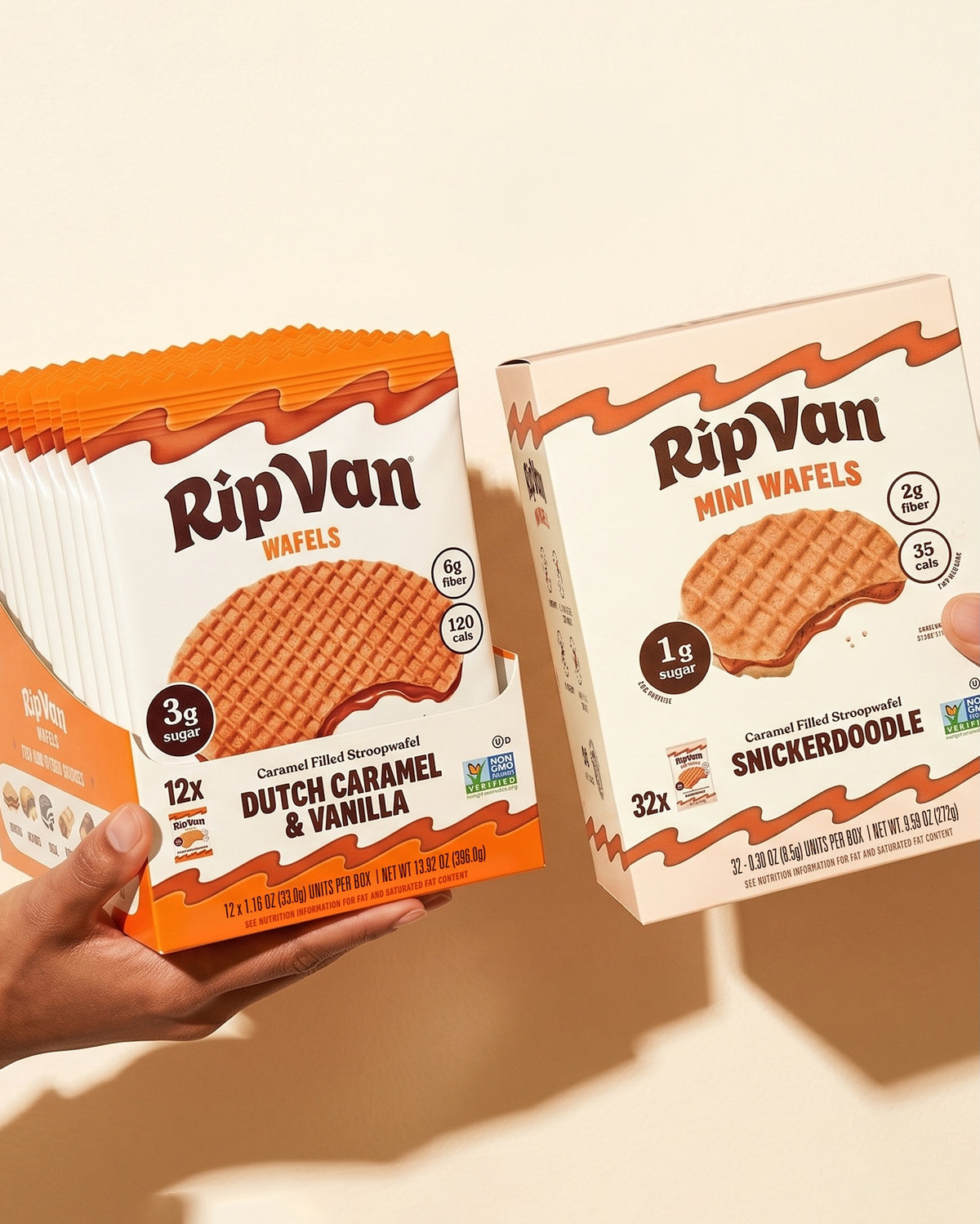
Wafer snacks, particularly the filled kind, are a surprisingly good fit for a backpack. Thin layers and a chewy filling mean they can handle some pressure without turning into crumbs. The packaging is usually a sealed wrapper that keeps the wafer fresh and protects it from other items in your bag. Because they are individually wrapped, you can grab one without worrying about portion control.
For a sweeter option, consider small packs of cookies or biscotti. They are dry enough to stay crisp and often come in sturdy boxes or tins that prevent crushing. Just be aware that chocolate varieties can soften in warm weather, so choose plain or iced versions for summer trips.
How Wafer Snacks Fit the Picture
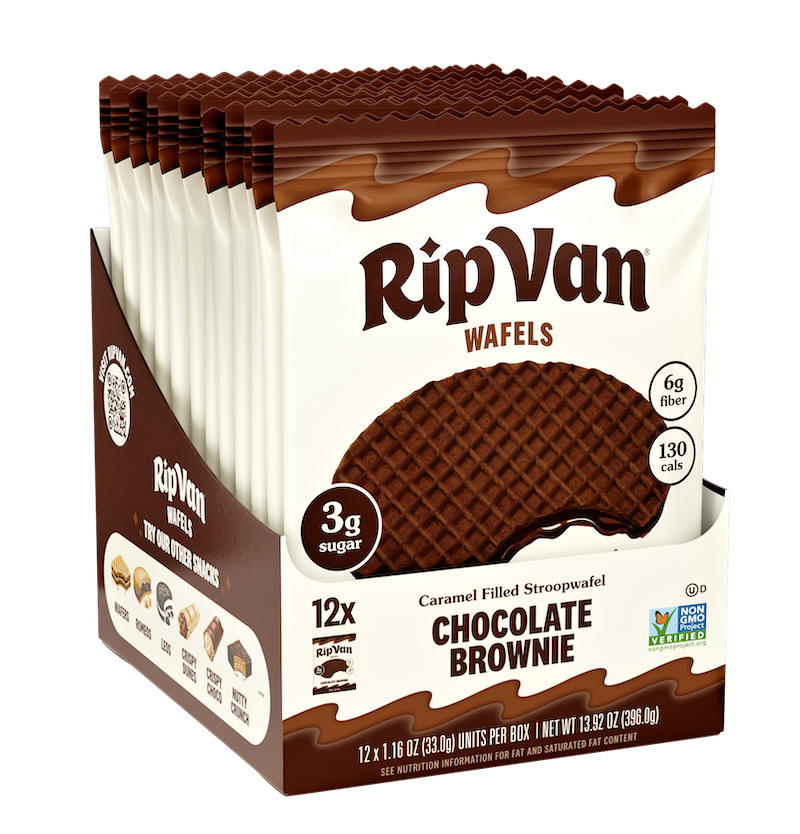
Filled wafer snacks, such as Dutch stroopwafels, have a few built-in advantages for on-the-go eating. Their thin, layered structure makes them less likely to crumble than a thick cookie or a flaky pastry. The chewy center adds a satisfying texture and a bit of sweetness without being gooey or sticky. These snacks also travel well because they are not coated in chocolate that melts at room temperature, so they stay intact in a backpack or desk drawer.
One brand that offers this kind of snack is ripvan.com. Their low-sugar Dutch stroopwafels and other filled wafer snacks are designed with added fiber and a chewy center, which makes them a practical choice for anyone who wants a treat that also provides some staying power. The individual wrappers keep each piece fresh and make it easy to grab one as you head out the door. While no snack is perfect for every situation, wafer snacks like these strike a good balance between convenience, taste, and shelf stability.
What to Avoid Storing in a Desk Drawer or Backpack
Not every snack is suited for life in a bag or drawer. Fresh fruit, like apples or bananas, can bruise and spoil within a day or two. Yogurt cups need refrigeration and can leak if the lid pops open. Chips in a large bag often go stale after one opening, and the crumbs can make a mess inside your backpack. Chocolate bars are fine in cool weather but become a melted disaster in summer. If you want chocolate, look for dark chocolate with a high cocoa content, which has a higher melting point than milk chocolate.
Snacks that rely on a crisp coating, like glazed nuts or caramel popcorn, can turn sticky when the humidity rises. The coating may sweat inside the packaging, making the snack unappealing and messy to eat. Similarly, any snack that comes in a foil pouch with a tear-off top can be tricky to open without spilling if the bag is under pressure from other items.
Practical Tips for Keeping Snacks Fresh
Even the best snack will disappoint if it goes stale or gets crushed. A few small habits can make a big difference. Use a small container or a dedicated compartment in your backpack to keep snacks separate from heavier items like books or a laptop. If you store snacks in a desk drawer, consider a small plastic bin or a fabric organizer to keep them from rolling around and getting damaged.
Check expiration dates regularly. A snack that is past its prime may still be safe to eat but will not taste as good. Rotate your stash so that newer items go to the back and older ones get eaten first. If you live in a humid climate, avoid storing snacks in a drawer that is near a radiator or a window that gets direct sunlight, as heat and moisture speed up spoilage.
For backpack use, think about how the snack will be carried. A soft-sided lunch bag with a small ice pack can extend the life of items that are a bit more perishable, but for most dry snacks, a simple zippered pouch is enough. If you pack snacks for a road trip, keep them in a cooler bag or a separate tote that stays in the shade. Sunlight passing through a car window can turn a car into an oven, which will ruin chocolate and soften wafers.
Making the Right Choice for Your Routine
Your ideal desk drawer or backpack snack depends on your personal taste, how long the snack will sit before you eat it, and the conditions of your storage space. Nuts and dried fruit are reliable for savory and sweet cravings. Granola bars and crackers offer more substance. Filled wafer snacks, like those from ripvan.com, provide a unique texture and a touch of sweetness that can break up a long workday or a road trip.
The best approach is to try a few options and see what works for you. Keep a small variety in your bag or drawer so you can match your snack to your mood and hunger level. With a little planning, you can avoid the disappointment of a melted, stale, or crumbly snack and enjoy something that tastes as good as it did when you first packed it.